
Role of Cannabis Dispensaries – Impact on Wellness and Access
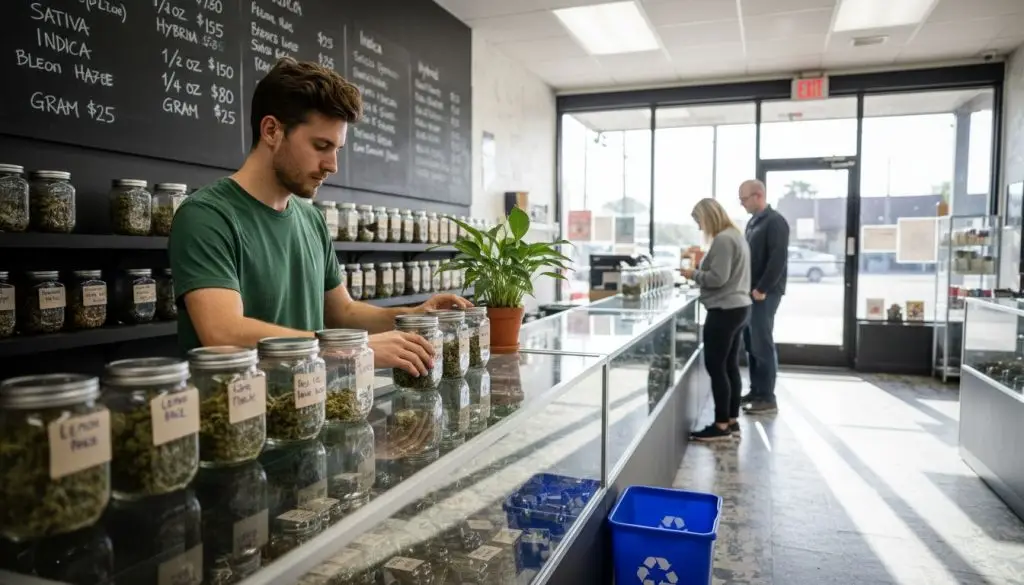
More than thirty seven percent of American adults now live in states where cannabis dispensaries operate legally. The rapid rise of these facilities is transforming access to alternative wellness options and shifting public perceptions about cannabis. Understanding how modern dispensaries work, the types available, and the strict legal standards they follow helps American consumers make safer, more informed choices in this evolving marketplace.
Table of Contents
- Cannabis Dispensaries Defined and Demystified
- Types of Dispensaries and Core Offerings
- Legal Compliance and Age Restrictions Explained
- Supporting Health, Wellness, and Community
- Risks, Costs, and Consumer Responsibilities
Key Takeaways
| Point | Details |
|---|---|
| Definition of Cannabis Dispensaries | Cannabis dispensaries are legally licensed facilities that provide marijuana and cannabis products to adult consumers, focusing on wellness solutions under strict regulations. |
| Types of Dispensaries | There are two primary types: medical dispensaries, which require patient documentation, and recreational dispensaries, which serve adults aged 21 and over without a medical focus. |
| Legal Compliance | Dispensaries must adhere to stringent legal frameworks, ensuring age verification and maintaining rigorous staff training and product safety protocols. |
| Community Role | Modern dispensaries serve as wellness centers, providing education and resources to destigmatize cannabis use and promote informed, responsible consumption. |
Cannabis Dispensaries Defined and Demystified
A cannabis dispensary is a specialized healthcare facility licensed to dispense marijuana and cannabis products to adult consumers in legal markets. These regulated establishments serve as critical access points for individuals seeking alternative wellness solutions, providing carefully curated cannabis products under strict legal guidelines.
Unlike traditional pharmacies, cannabis dispensaries operate within a unique regulatory framework that requires precise licensing and compliance. Medical and recreational dispensaries differ in their operational protocols, with medical facilities typically requiring patient documentation and recommendations from healthcare professionals. Recreational dispensaries, by contrast, serve adults meeting state-specific age requirements, usually 21 and older.
Key characteristics of modern cannabis dispensaries include:
- Rigorous product testing and quality control
- Knowledgeable staff trained in cannabis science and consumer education
- Secure, age-verified purchasing environments
- Diverse product selections ranging from flower and concentrates to edibles and topicals
- Compliance with state-specific regulatory requirements
These establishments have transformed from underground operations to professional, regulated healthcare access points. By prioritizing consumer education, product safety, and legal compliance, cannabis dispensaries continue to destigmatize cannabis use and provide responsible pathways for individuals seeking natural wellness alternatives.
Types of Dispensaries and Core Offerings
Cannabis dispensaries are sophisticated retail environments that function as specialized retailers offering diverse product selections for medical and recreational consumers. These establishments provide carefully curated cannabis products designed to meet various wellness and recreational needs, ranging from therapeutic treatments to personal enjoyment experiences.
Two primary dispensary categories dominate the cannabis marketplace:
- Medical Dispensaries
- Require patient medical documentation
- Offer targeted product recommendations for specific health conditions
- Staffed with healthcare-trained professionals
- Typically have more stringent product testing protocols
- Recreational Dispensaries
- Serve adult consumers aged 21 and over
- Provide broader product range with less medical focus
- Emphasize consumer education and responsible usage
- Offer more diverse product selections
Core product offerings in cannabis dispensaries typically include:
- Flower: Traditional cannabis plant material in multiple strains
- Concentrates: High-potency extracts like oils and waxes
- Edibles: Cannabis-infused foods and beverages
- Vaporizer Cartridges: Convenient, portable consumption methods
- Topicals: Lotions and balms for localized application
Modern dispensaries prioritize consumer safety, product quality, and personalized experiences, transforming cannabis retail from underground transactions to professional, regulated wellness environments.
Legal Compliance and Age Restrictions Explained
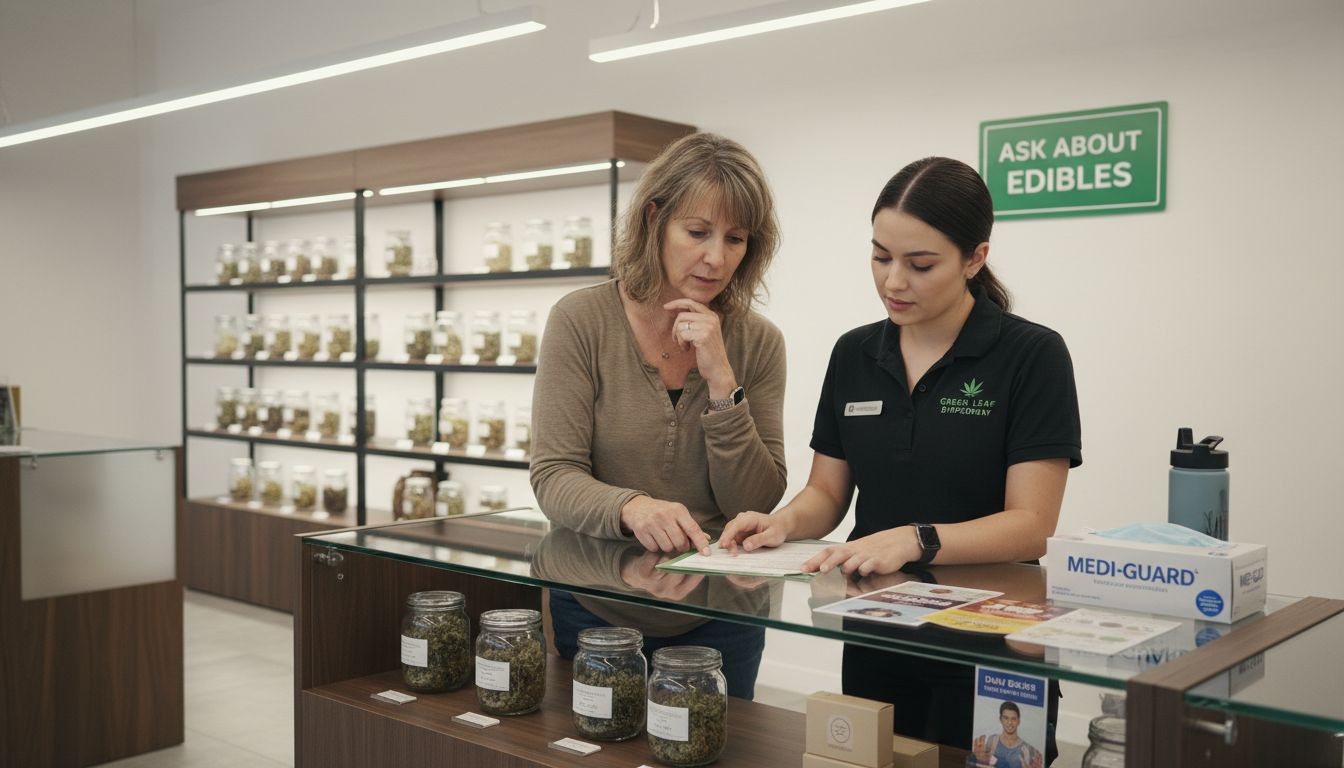
Cannabis dispensaries must operate within strict legal frameworks that govern every aspect of their business, from product sourcing to consumer sales. These regulatory requirements ensure public safety, prevent unauthorized access, and maintain responsible cannabis distribution across different state markets.
Age Verification Protocols are fundamental to legal cannabis sales. All dispensaries must rigorously confirm customer age, with the standard legal threshold being 21 years or older for recreational purchases. Medical dispensaries often have additional requirements, including:
- Valid government-issued identification
- Physician-issued medical marijuana recommendation
- Registered patient status in state medical cannabis programs
State-level regulations create significant variability in legal compliance. Some key compliance requirements include:
- Obtaining comprehensive business licensing
- Maintaining detailed transaction records
- Implementing secure inventory tracking systems
- Conducting regular staff training on legal requirements
- Adhering to strict product testing and quality control standards
The regulatory landscape for dispensaries continues to evolve, with states developing increasingly sophisticated frameworks to balance consumer access, public health considerations, and responsible cannabis distribution. Successful dispensaries invest heavily in legal compliance, recognizing that strict adherence to regulations is not just a legal requirement but a critical component of building consumer trust and maintaining operational legitimacy.
Supporting Health, Wellness, and Community
Cannabis dispensaries have evolved beyond simple retail spaces to become critical wellness centers that support community health through scientific research and education. These establishments play a transformative role in destigmatizing cannabis use, offering consumers comprehensive insights into potential therapeutic applications and responsible consumption strategies.
Wellness-Focused Education stands at the core of modern dispensary missions. Trained staff provide nuanced guidance on:
- Potential medical applications
- Dosage recommendations
- Strain-specific effects
- Interactions with existing medications
- Holistic wellness approaches
Beyond product sales, dispensaries increasingly function as community resources. Cannabis education centers help demystify misconceptions, offering workshops, seminars, and consultation services that empower consumers to make informed decisions about their health and wellness journeys.
These community-centered approaches reflect a broader shift towards viewing cannabis as a potential wellness tool rather than a recreational substance. By prioritizing scientific understanding, patient education, and responsible consumption, dispensaries are helping to reshape public perceptions and integrate cannabis more thoughtfully into holistic health strategies.
Risks, Costs, and Consumer Responsibilities
Cannabis consumers must navigate a complex landscape of legal and personal responsibilities when purchasing and consuming cannabis products. Understanding the financial, health, and legal implications is crucial for responsible and informed consumption.
Financial Considerations play a significant role in cannabis purchasing decisions. Pricing factors include:
- Product potency and quality
- Strain rarity and cultivation complexity
- Taxation levels
- Dispensary location and overhead costs
- Packaging and processing expenses
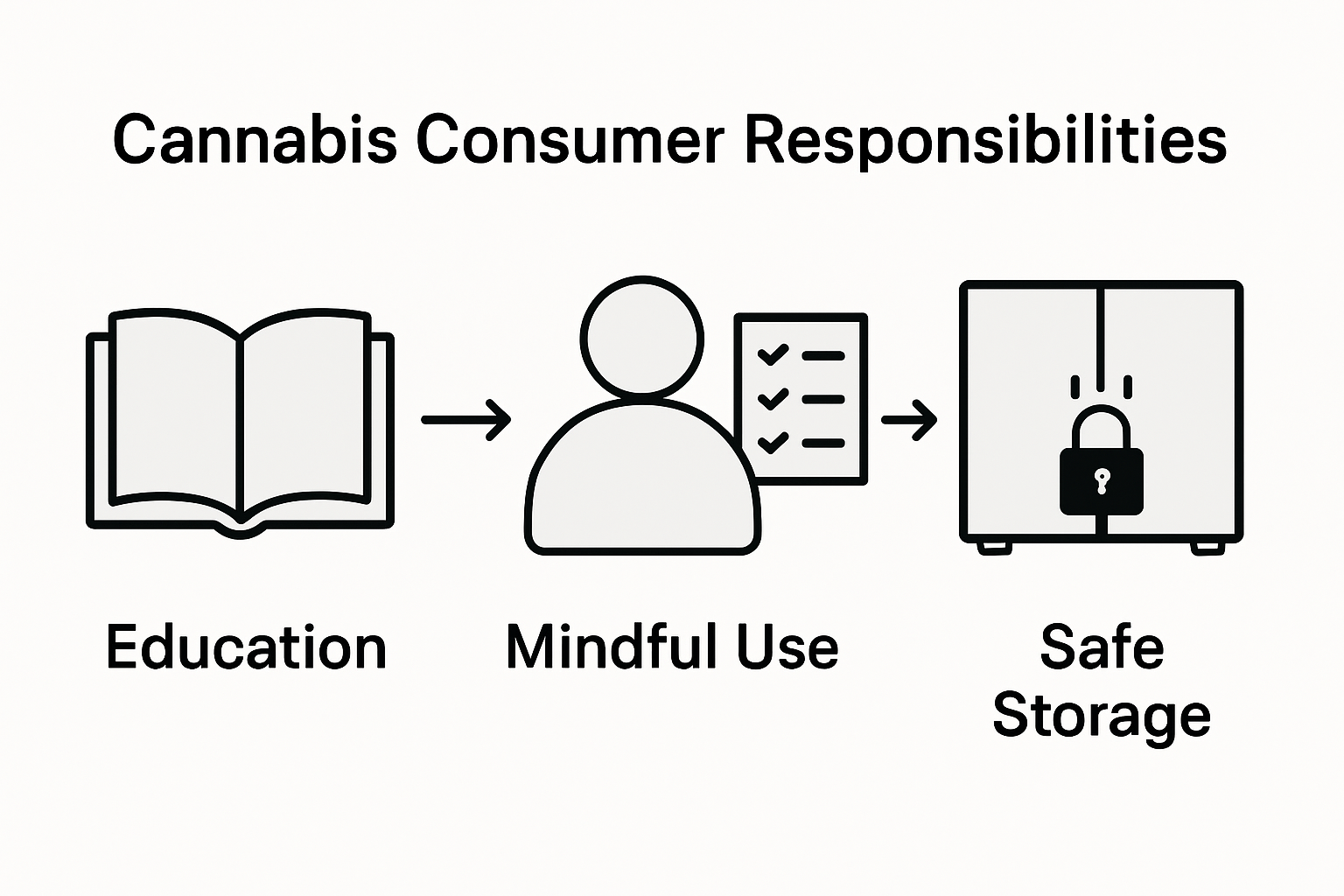
Key consumer responsibilities encompass:
- Verifying personal legal eligibility
- Understanding individual health limitations
- Practicing responsible consumption
- Securing products away from minors
- Comprehending potential interactions with medications
The potential risks associated with cannabis consumption require careful personal assessment. Potential health considerations include:
- Short-term cognitive impacts
- Potential respiratory effects
- Interaction with mental health conditions
- Potential dependency risks
- Individual physiological variations in response
Responsible consumers prioritize education, self-awareness, and mindful consumption, recognizing that individual experiences with cannabis can vary dramatically based on personal health, tolerance, and environmental factors.
Discover Reliable Cannabis Access and Wellness Support
Navigating the complexities of cannabis dispensaries and their critical role in wellness can be challenging. With legal requirements, product quality concerns, and the need for trusted guidance on cannabis strains and responsible use, many consumers seek a dependable source that prioritizes safety and education. This is where Grade A Dropouts steps in. Our online dispensary offers premium THC products, including carefully sourced indica strains, tailored for adults who value natural healing and relaxation. By combining seamless e-commerce with educational resources, we address your wellness goals while ensuring compliance with age verification and legal standards.

Ready to explore a trusted dispensary experience centered around your health and responsible cannabis use Visit Grade A Dropouts today and access a curated selection of THC products designed for wellness enthusiasts. Learn more about our offerings and community initiatives in the Uncategorized – Grade A Dropouts section where education meets quality. Don’t wait to take control of your cannabis journey through a source that understands your needs and delivers premium options with free delivery benefits on qualifying orders.
Frequently Asked Questions
What types of products can I find at a cannabis dispensary?
Cannabis dispensaries typically offer a diverse range of products including flower (traditional cannabis), concentrates, edibles (cannabis-infused foods and beverages), vaporizer cartridges, and topicals (lotions and balms for localized application).
How do medical and recreational dispensaries differ?
Medical dispensaries require patient documentation and offer targeted product recommendations for specific health conditions, while recreational dispensaries serve adults aged 21 and over and provide a broader variety of products without a medical focus.
What should I consider when using cannabis products for wellness?
When considering cannabis for wellness, it’s important to understand potential medical applications, dosage recommendations, strain-specific effects, and any interactions with existing medications. Consulting knowledgeable staff at the dispensary can also enhance your understanding of your options.
What are the responsibilities of a cannabis consumer?
Consumers are responsible for verifying their legal eligibility, understanding personal health limitations, practicing responsible consumption, keeping products away from minors, and being aware of potential interactions with medications.