

Cannabis Regional Differences: Complete Guide 2025
American cannabis trends are shaped by more than just local laws or climate. In fact, over sixteen countries show wide legal and cultural variations, and this diversity is just as striking within the United States. With each state setting its own standards and shaping access, americans face a constantly shifting landscape that directly affects everything from pricing to safe travel. Understanding these regional differences is key to making smart choices and avoiding costly mistakes.
Table of Contents
- Defining Cannabis Regional Differences
- Strain Variations by Region and Climate
- Legal Status and Regulatory Approaches
- Market Trends Across U.S. States
- Pricing, Access, and Consumption Patterns
- Health, Safety, and Travel Considerations
Key Takeaways
| Point | Details |
|---|---|
| Regional Variation in Cannabis Regulation | Legal frameworks vary significantly by region, affecting accessibility and policy approaches to cannabis use and cultivation. |
| Strain Diversity Influenced by Geography | Cannabis strains showcase notable differences based on local environmental conditions, impacting cannabinoid production and characteristics. |
| Market Dynamics in the U.S. | U.S. cannabis markets exhibit varying levels of maturity and regulatory frameworks, influencing consumer behavior and economic opportunities. |
| Health and Safety Considerations | Travelers must be aware of the significant legal and health implications of cannabis use across different jurisdictions. |
Defining Cannabis Regional Differences
Cannabis regional differences represent complex variations in cultivation, legal status, consumption patterns, and cultural attitudes across different geographic areas. According to research from the United Nations Office on Drugs and Crime (UNODC), these differences emerge from intricate interactions between local regulations, agricultural conditions, economic factors, and social norms.
Regional variations manifest in multiple dimensions. Legal frameworks dramatically impact cannabis accessibility and usage, with some regions maintaining strict prohibition while others implement progressive medical or recreational cannabis programs. PubMed research examining sixteen countries highlights significant disparities in regulatory approaches, demonstrating how geographical boundaries substantially influence cannabis policies.
Key factors contributing to regional cannabis differences include:
- Local climate and soil conditions affecting plant cultivation
- State and federal legal regulations
- Cultural attitudes toward cannabis consumption
- Economic incentives for cannabis production
- Medical research and healthcare policy frameworks
Understanding these nuanced regional differences requires comprehensive analysis of social, legal, and environmental contexts. While some regions view cannabis as a controlled substance with potential therapeutic applications, others maintain more restrictive perspectives, creating a complex global landscape of cannabis perception and regulation.
For more insights into quality cannabis selection across different regions, check out our Premium Cannabis Selection Guide: Choose Quality Products.
Strain Variations by Region and Climate
Cannabis strains exhibit remarkable diversity influenced by regional environmental conditions, with genetic adaptation playing a critical role in their development. Research published in MDPI reveals that environmental factors like temperature, altitude, and carbon dioxide concentration significantly impact phytocannabinoid production in Cannabis sativa L., creating unique strain characteristics across different geographic regions.
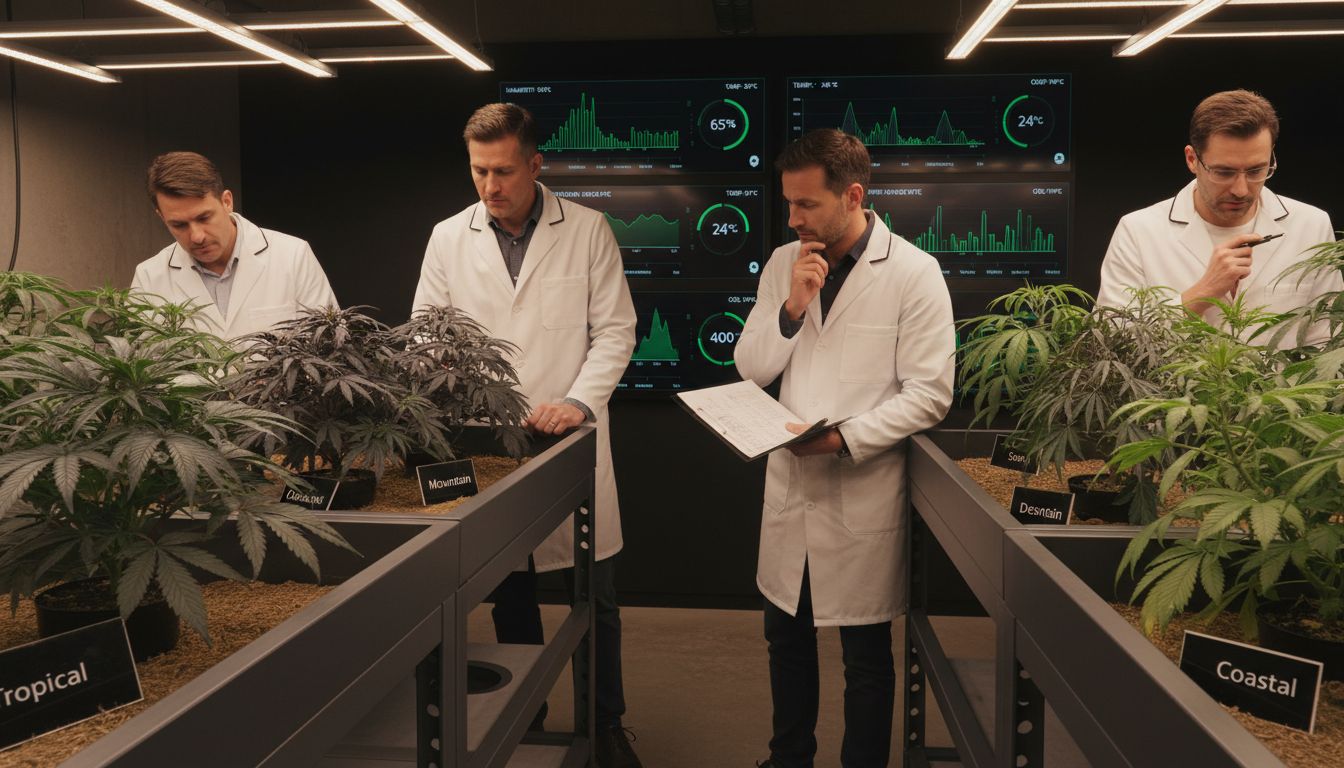
Climate and geographical location profoundly shape cannabis strain characteristics. Mountainous regions typically produce robust, resilient strains with higher THC concentrations, while tropical environments generate plants with different cannabinoid profiles. Factors such as sunlight exposure, humidity levels, and soil composition directly influence plant genetics and chemical composition.
Key regional strain variations include:
- Tropical Strains: Typically shorter, with broader leaves and faster flowering cycles
- Mountain Strains: More resinous, with higher cannabinoid concentrations
- Desert Region Strains: Drought-resistant with compact growth patterns
- Coastal Region Strains: Often featuring unique terpene profiles due to maritime influences
Understanding these regional variations helps cultivators and consumers appreciate the nuanced differences between cannabis strains. Genetic diversity ensures that each geographical region contributes unique characteristics to cannabis cultivation, reflecting the complex interaction between plant genetics and environmental conditions.
Want to explore more about premium cannabis selections across different regions? Check out our Premium Cannabis Selection Guide: Choose Quality Products.
Legal Status and Regulatory Approaches
Cannabis legal frameworks represent a complex and evolving landscape of regulatory approaches across different regions. Research from PubMed analyzing sixteen countries reveals significant disparities in legal classifications and policy implementations, highlighting the dynamic nature of cannabis regulation worldwide.
Research from ScienceDirect indicates that regulatory approaches can be categorized into several distinct models: complete prohibition, medical cannabis authorization, decriminalization, and full recreational legalization. These frameworks demonstrate substantial variation in how different jurisdictions approach cannabis policy, reflecting unique cultural, social, and political considerations.
Key regulatory approach variations include:
- Strict Prohibition: Zero tolerance with criminal penalties
- Medical Cannabis Programs: Regulated access for therapeutic purposes
- Decriminalization: Reduced legal penalties without full legalization
- Recreational Legalization: Comprehensive regulatory frameworks for adult use
The complexity of cannabis regulation extends beyond simple legal status, encompassing nuanced policies around cultivation, distribution, possession limits, and consumption guidelines. Regional differences reflect not just legal perspectives, but broader societal attitudes toward cannabis as a medicinal, recreational, and cultural phenomenon.

For deeper insights into navigating cannabis selection across different regulatory landscapes, explore our Premium Cannabis Selection Guide: Choose Quality Products.
Market Trends Across U.S. States
Cannabis market dynamics in the United States represent a complex and rapidly evolving landscape of regulatory innovation and economic opportunity. Research from PubMed analyzing domestic cannabis cultivation patterns reveals significant variations in market development across different states, highlighting the intricate nature of regional cannabis economies.
Research from arXiv suggests sophisticated economic modeling can help understand the nuanced demand patterns emerging across U.S. states. The market trends demonstrate substantial differences in consumer behavior, regulatory approaches, and economic integration of cannabis products across different jurisdictions.
Key market trend characteristics include:
- Mature Markets: California, Colorado with established recreational and medical frameworks
- Emerging Markets: Michigan, Illinois with rapidly expanding cannabis economies
- Conservative Markets: Texas, Florida with limited medical cannabis programs
- Revenue Generation: States leveraging cannabis taxation for public infrastructure
The U.S. cannabis market continues to exhibit dynamic growth, with states implementing unique regulatory strategies that balance consumer access, public health considerations, and economic opportunities. Regional variations reflect not just legal perspectives, but complex interactions between state policies, consumer preferences, and economic incentives.
For deeper insights into navigating cannabis selections across different market landscapes, explore our Premium Cannabis Selection Guide: Choose Quality Products.
Pricing, Access, and Consumption Patterns
Cannabis market dynamics are profoundly influenced by complex interactions between pricing mechanisms, regulatory frameworks, and consumer behaviors. Research from PubMed reveals significant variations in demographic characteristics and personal use patterns that directly impact cannabis pricing and accessibility across different regions.
Research from arXiv highlights the intricate relationship between demand elasticity and legalization, demonstrating how pricing strategies fundamentally shape consumer consumption patterns. The research indicates that cannabis pricing is not simply about cost, but reflects broader economic and regulatory considerations that vary dramatically across different jurisdictions.
Key factors influencing pricing and consumption include:
- Regulatory Environment: Direct impact on market pricing
- Local Production Costs: Variation in cultivation expenses
- Tax Structures: Significant influence on final consumer pricing
- Supply Chain Complexity: Transportation and distribution expenses
- Regional Demand Variations: Consumer purchasing power and preferences
Consumption patterns reveal a nuanced landscape where access is not merely about availability, but about understanding complex economic and social dynamics. Prices fluctuate based on local regulations, production capabilities, and consumer demand, creating a dynamic market that requires continuous adaptation and understanding.
For more detailed insights into navigating cannabis selections across different pricing landscapes, explore our Premium Cannabis Selection Guide: Choose Quality Products.
Health, Safety, and Travel Considerations
Navigating the complex landscape of cannabis health and safety requires a comprehensive understanding of regional variations and legal implications. Research from ScienceDirect emphasizes the critical need for scientific validation and rigorous assessment of medicinal cannabis’s efficacy and potential health impacts across different healthcare systems.
Research from PubMed reveals significant disparities in public perceptions and regulatory approaches to cannabis use, highlighting the complex challenges travelers face when navigating different jurisdictional frameworks. These variations underscore the importance of thorough research and careful planning before transporting or consuming cannabis across regional boundaries.
Key health, safety, and travel considerations include:
- Legal Variability: Dramatic differences in possession and consumption laws
- Medical Interactions: Potential health impacts and pharmaceutical interactions
- Transportation Risks: Strict regulations surrounding interstate and international travel
- Documentation Requirements: Medical cannabis prescriptions and travel permissions
- Potential Health Screenings: Medical examinations related to cannabis use
Travelers must recognize that cannabis regulations represent a complex and dynamic landscape, with significant consequences for non-compliance. Understanding regional nuances becomes crucial for maintaining personal safety, legal standing, and health considerations when navigating different jurisdictional environments.
For more detailed insights into safely navigating cannabis selections across different regions, explore our Premium Cannabis Selection Guide: Choose Quality Products.
Discover Regional Cannabis Differences With Confidence
Navigating the complex world of cannabis strains, legal restrictions, and market trends can leave you feeling overwhelmed. This guide highlights the challenges of understanding regional variations in cultivation, legal status, and pricing that directly impact your ability to find quality products that meet your needs and lifestyle. Whether you face confusing legal regulations or want to explore premium strains adapted to your local climate, the right partner can make all the difference.
At Grade A Dropouts, we specialize in providing access to carefully sourced THC products from trusted growers in Oregon, California, and Washington. Our platform is designed to help you explore and purchase with confidence amid shifting cannabis regulations and market trends. Get personalized selections that reflect regional distinctions and benefit from services like free delivery on large orders. Start your journey by browsing our Uncategorized collection which offers a variety of strains and valuable insights tailored to your cannabis experience.

Take control of your cannabis experience today by visiting Grade A Dropouts to explore premium, regionally informed products with clear legal guidance. Your path to natural healing and relaxation starts with informed choices backed by quality and service. Don’t wait—discover the difference now.
Frequently Asked Questions
What are the key factors influencing cannabis regional differences?
Key factors include local climate and soil conditions, state and federal legal regulations, cultural attitudes towards consumption, economic incentives for production, and medical research policies.
How do environmental conditions affect cannabis strains?
Environmental conditions such as temperature, altitude, and carbon dioxide levels influence phytocannabinoid production, resulting in unique characteristics in cannabis strains. For example, tropical strains tend to have broader leaves and faster flowering cycles, while mountainous strains may be more resinous.
What are the different regulatory approaches to cannabis around the world?
Regulatory approaches vary widely and can include strict prohibition, medical cannabis programs, decriminalization, and full recreational legalization. Each model reflects different cultural and social contexts.
How does pricing vary for cannabis products across regions?
Pricing is influenced by local production costs, tax structures, regulatory environments, and regional demand variations. These factors create a dynamic market environment where prices can fluctuate significantly based on local conditions.