

Cannabis Legality in 2025 – Impact on Consumers and Businesses
Most American adults are surprised to learn that nearly 70 percent of states now allow some form of legal cannabis, yet confusion around its actual legal status remains high. This topic matters because misunderstandings can lead to serious legal trouble or missed opportunities for both consumers and businesses. Unraveling common misconceptions about cannabis, this article explains what laws really say and highlights why staying informed is more important than ever.
Table of Contents
- Defining Cannabis Legality And Common Misconceptions
- Key Changes In US Cannabis Laws In 2025
- State-By-State Differences And Reciprocity Rules
- Federal Vs. State Cannabis Law Conflicts
- Consumer Rights, Risks, And Tax Implications
Key Takeaways
| Point | Details |
|---|---|
| Evolving Cannabis Legality | Cannabis legality is a complex spectrum that varies significantly by jurisdiction, requiring consumers to be aware of local laws and regulations. |
| State vs. Federal Tension | Ongoing legal conflicts between state-level legalization and federal prohibition create uncertainties for businesses and consumers in the cannabis industry. |
| Interstate Consumption Challenges | Reciprocity rules and inconsistencies across state regulations complicate interstate cannabis transportation and usage, risking legal violations. |
| Consumer Rights and Tax Issues | Consumers face limited rights under federal law and complex tax implications that impact both individual purchases and business operations. |
Defining Cannabis Legality and Common Misconceptions
Cannabis legality represents a complex and evolving landscape that continues to challenge traditional perceptions and societal understanding. While many assume cannabis regulation is straightforward, the reality involves nuanced legal frameworks that vary significantly across different jurisdictions. Scientific research on cannabis myths has consistently challenged long-standing misconceptions about the plant’s effects and societal impact.
Historically, cannabis has been subject to significant misunderstandings and stigmatization. The LaGuardia Committee report published in 1944 was groundbreaking in challenging prevailing myths, particularly those linking cannabis to criminal behavior and physical addiction. This early scientific examination revealed that many popular narratives about cannabis were rooted more in social hysteria than empirical evidence.
Today’s cannabis legal landscape includes several critical considerations for consumers and businesses. Key aspects include:
- Age restrictions (typically 21 and over)
- State-level regulatory variations
- Medical versus recreational cannabis distinctions
- Quantity limits for personal possession
- Restrictions on public consumption
- Transportation and interstate travel regulations
Understanding these nuances is crucial for responsible cannabis consumption and navigation of legal frameworks. Cannabis legality is not a binary concept but a spectrum of regulations that continue to evolve with ongoing research, social attitudes, and legislative reforms. Consumers must stay informed about local laws, potential legal implications, and responsible usage guidelines to ensure compliance and personal safety.
Key Changes in US Cannabis Laws in 2025
The 2025 cannabis legal landscape in the United States represents a complex and transformative period, marked by significant regulatory shifts and ongoing legal challenges. A U.S. appeals court decision in May 2025 upheld the federal prohibition on marijuana, effectively maintaining strict nationwide restrictions despite growing state-level legalization movements.
One of the most notable developments impacting the cannabis industry emerged through unexpected legislative mechanisms. The government shutdown agreement in November 2025 included a provision that dramatically reshaped the cannabis-infused beverage market, essentially banning most low-dose THC drink products and creating significant uncertainty for manufacturers and consumers.
Key regulatory changes in 2025 include:
- Continued federal prohibition of marijuana
- State-level variations in cannabis legalization
- Stricter regulations on THC beverage production
- Enhanced compliance requirements for cannabis businesses
- More rigorous testing and quality control standards
- Increased federal scrutiny of interstate cannabis commerce
These developments underscore the dynamic nature of cannabis legislation, highlighting the ongoing tension between federal restrictions and state-level cannabis access. Businesses and consumers must remain adaptable, continuously monitoring legal shifts that can rapidly transform the cannabis marketplace. Navigating this complex regulatory environment requires careful attention to both federal mandates and state-specific nuances.
State-by-State Differences and Reciprocity Rules
The cannabis landscape in the United States continues to be characterized by significant regulatory diversity, with each state establishing its own unique approach to cannabis legislation. Recent policy updates across multiple states demonstrate the complex patchwork of regulations that consumers and businesses must navigate, particularly in California and New York, where distinctive cannabis policies have been implemented.

Reciprocity rules represent one of the most challenging aspects of interstate cannabis consumption and transportation. Cannabis tax rate variations in states like California, Maine, and Minnesota highlight the lack of standardization, creating significant complications for consumers and businesses operating across state lines. These differences extend beyond taxation to include crucial areas such as possession limits, consumption venues, and medical versus recreational classifications.
Key state-by-state variations include:
- Divergent possession quantity limits
- Varying age restrictions for legal purchase
- Different medical marijuana qualification criteria
- Unique licensing requirements for cannabis businesses
- Distinct regulations on home cultivation
- Contrasting approaches to cannabis advertising and packaging
Navigation of this complex regulatory environment demands careful attention and continuous research. Cannabis consumers must remain vigilant about local regulations, understanding that what is permissible in one state may constitute a serious legal violation in another. The absence of federal standardization means that interstate travel with cannabis products remains extremely risky, with potential legal consequences that can vary dramatically between jurisdictions.
Federal vs. State Cannabis Law Conflicts
The landscape of cannabis legislation in the United States remains deeply fractured, with fundamental tensions between federal prohibition and state-level legalization creating significant legal uncertainties. The DEA’s proposed reclassification of cannabis from Schedule I to Schedule III illustrates the complex regulatory environment, highlighting that rescheduling does not automatically equate to full legal acceptance.
Legal confrontations between federal and state jurisdictions continue to challenge the cannabis industry’s stability. A U.S. appeals court decision in May 2025 decisively upheld the federal marijuana prohibition, reinforcing the fundamental conflict between nationwide restrictions and state-level cannabis programs. This ongoing legal battle creates substantial risks for businesses and consumers operating in states with established cannabis markets.
Key areas of conflict between federal and state cannabis laws include:
- Divergent legal status across jurisdictions
- Banking and financial service restrictions
- Interstate transportation challenges
- Inconsistent tax treatment
- Varying medical marijuana regulations
- Conflicting law enforcement approaches
Navigating this complex legal terrain requires extreme caution. Cannabis businesses must recognize that federal law remains supreme, potentially superseding state-level protections at any moment. Consumers and entrepreneurs alike must remain adaptable, understanding that the current cannabis landscape represents a dynamic and potentially volatile legal environment where federal prohibition can dramatically impact state-level cannabis programs.
Consumer Rights, Risks, and Tax Implications
The cannabis consumer landscape in 2025 presents a complex matrix of rights, potential risks, and significant financial considerations. The Nevada Cannabis Compliance Board’s comprehensive biennial report highlights critical aspects of consumer protection, particularly regarding emerging products like Delta-8 THC and the intricate tax implications under federal regulations.
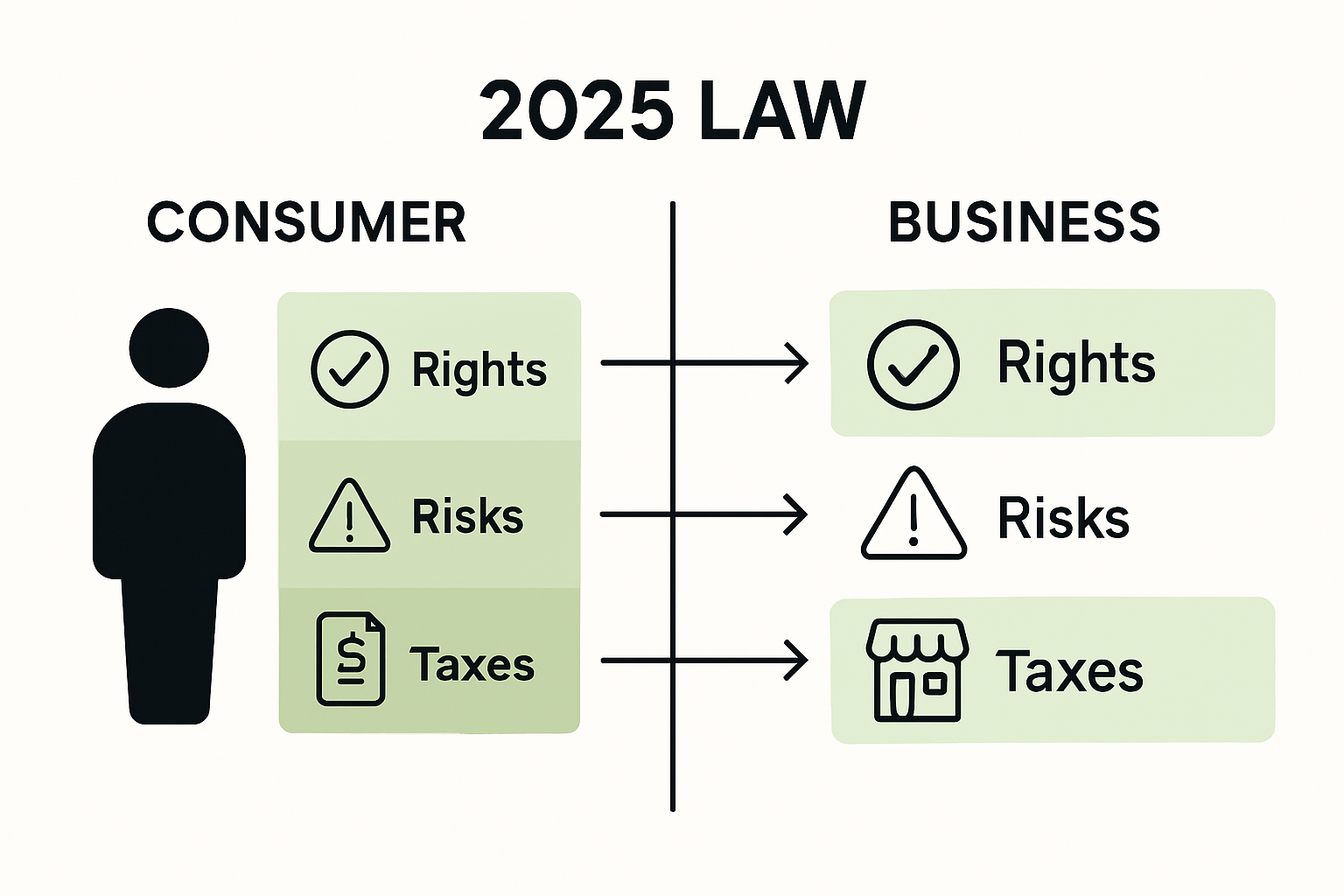
Tax obligations represent one of the most challenging aspects of cannabis consumption and business operations. Industry reports from leading financial analysts emphasize the profound complexities arising from federal reclassification and its impact on consumer and business tax responsibilities. Section 280E of the federal tax code continues to create significant financial constraints for cannabis businesses and consumers alike.
Key consumer considerations include:
- Limitations on product purchases and possession
- Varying state-level consumer protection standards
- Potential legal risks with interstate transportation
- Complex tax reporting requirements
- Limited banking and financial service access
- Potential employment and housing discrimination
Navigation of this intricate landscape demands meticulous attention and proactive understanding. Cannabis consumers must recognize that their rights remain substantially limited by federal prohibition, despite increasing state-level legalization. Understanding the nuanced legal and financial implications is crucial for responsible and legally compliant cannabis consumption in 2025.
Stay Ahead in the Changing Cannabis Legal Landscape with Grade A Dropouts
Navigating the complex and evolving cannabis legality challenges of 2025 can be overwhelming for consumers and businesses alike. With federal prohibitions, state-by-state differences, and new regulations impacting products like THC beverages, staying informed and compliant is critical. At Grade A Dropouts, we understand these hurdles and provide a trusted source for premium THC-infused products that meet legal requirements in states like Texas and Nevada. Our dedication to education and quality ensures you can enjoy your cannabis experience responsibly and confidently.

Explore our diverse selection of carefully curated cannabis strains and branded merchandise available with age verification on our ecommerce platform. Benefit from free delivery on orders over $200 and stay informed through our podcast focused on natural healing through cannabis. Take control of your cannabis journey today by visiting Grade A Dropouts and discover how we blend wellness with legal compliance. For insights and more product options, visit our Uncategorized category and make the smart choice for your legal cannabis needs now.
Frequently Asked Questions
What are the key regulatory changes affecting cannabis in 2025?
Key regulatory changes in 2025 include the continued federal prohibition of marijuana, stricter regulations on THC beverage production, and enhanced compliance requirements for cannabis businesses, including rigorous testing and quality control standards.
How do state-level regulations impact cannabis possession and usage?
State-level regulations create variations in possession limits, consumption venues, and medical versus recreational classifications. Understanding these differences is crucial for legal compliance.
What are the risks of interstate travel with cannabis products?
Interstate travel with cannabis products is risky due to differing state laws. What is legal in one state may be a violation in another, leading to potential legal consequences for consumers.
How do tax implications affect cannabis consumers and businesses?
Tax implications for cannabis consumers and businesses are complex, primarily due to Section 280E of the federal tax code. This can create significant financial constraints, impacting the overall cost and access to cannabis products.