

Cannabis Effects Explained: Complete User Guide
More than 48 million american adults have tried cannabis in the past year, yet few fully understand its real effects or the reasons behind persistent myths. As views on cannabis shift across the United States, knowing the facts becomes essential for anyone curious about its potential risks and benefits. This guide explains how cannabis works in the body, why experiences differ so widely, and separates common misconceptions from science-backed reality.
Table of Contents
- What Are Cannabis Effects And Misconceptions
- Types Of Cannabis Effects: Physical And Mental
- How Thc And Cannabinoids Work In The Body
- Factors Influencing Cannabis Experience
- Risks, Safety, And Legal Considerations
Key Takeaways
| Point | Details |
|---|---|
| Understanding Individual Variability | Cannabis effects can differ significantly among users due to factors such as dosage, strain, and individual biology. Responsible consumption requires awareness of these differences. |
| Dispelling Common Misconceptions | Many misconceptions exist, such as the belief that all cannabis produces the same effects or is entirely harmless. Recognizing these fallacies is crucial for informed use. |
| Impact of Consumption Methods | The method of consumption plays a significant role in shaping the cannabis experience, highlighting the need for understanding different approaches. |
| Recognizing Potential Risks | It is essential to be aware of the cognitive and legal risks associated with cannabis use, emphasizing the importance of staying informed and responsible. |
What Are Cannabis Effects and Misconceptions
Cannabis is a complex plant with multifaceted effects that extend far beyond popular stereotypes. Understanding its genuine physiological and psychological impacts requires moving past simplistic narratives and examining scientific research. Cannabis interactions with the human body involve sophisticated neurochemical processes that influence mood, perception, and physical sensations in nuanced ways.
Research indicates that cannabis effects vary dramatically based on multiple factors including dosage, strain composition, individual biochemistry, and consumption method. Scientific investigations reveal that cannabis use can produce small but measurable changes in mental and physical well-being. These modifications are not uniform across all users, challenging the misconception of cannabis as a universally consistent experience.
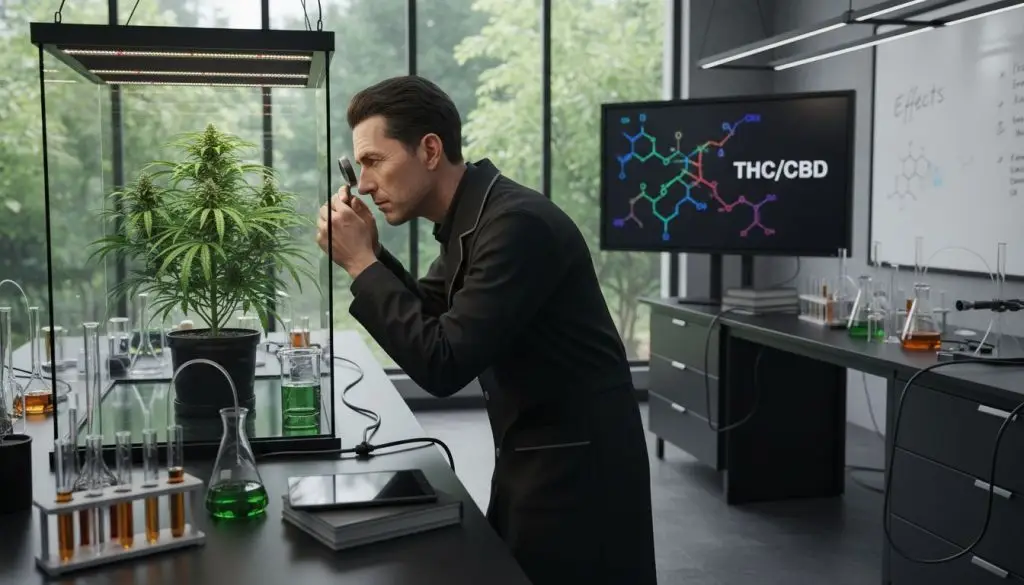
Common misconceptions about cannabis frequently overshadow its complex nature. Many individuals incorrectly assume that all cannabis consumption produces identical results, when in reality, effects can range from relaxation and pain relief to potential anxiety or altered sensory perception. The plant’s two primary compounds – tetrahydrocannabinol (THC) and cannabidiol (CBD) – interact with human neuroreceptors in distinctly different ways, creating a spectrum of potential experiences.
Key misconceptions about cannabis include:
- All cannabis strains produce the same effects
- Cannabis is completely harmless with zero side effects
- Consumption methods have no impact on overall experience
- THC and CBD function identically within the body
Understanding cannabis requires nuanced perspective. While premium cannabis selections can offer therapeutic potential, responsible and informed consumption remains paramount for anyone exploring its potential benefits.
Types of Cannabis Effects: Physical and Mental
Cannabis produces a complex array of physical and mental effects that interact uniquely with individual body chemistry. Neurological responses to cannabis consumption create a spectrum of experiences ranging from relaxation and pain relief to potential cognitive alterations. Understanding these multifaceted interactions requires examining both immediate and long-term physiological impacts.
Neurological research demonstrates that cannabis significantly influences brain functions, particularly affecting memory, learning, attention, and coordination. Scientific investigations reveal that cannabis use can produce nuanced changes in cognitive processing, with potential implications for brain development, especially in younger adults. Chronic cannabis consumption may lead to more profound neurocognitive modifications, including potential reductions in hippocampal volume and density.
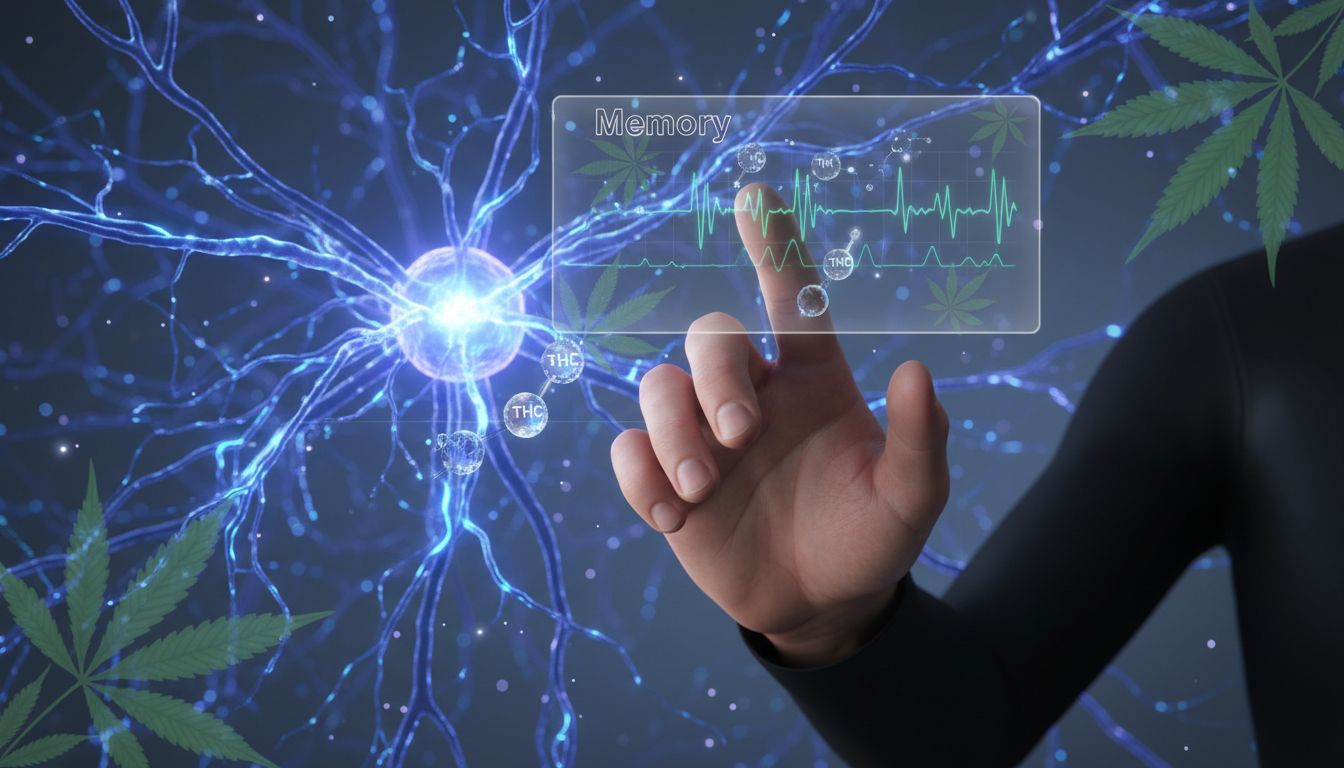
Physical effects of cannabis manifest through multiple systemic interactions. Users may experience diverse responses including muscle relaxation, altered pain perception, changes in heart rate, and modifications to respiratory function. Mental effects can range from mood elevation and stress reduction to potential anxiety or temporary cognitive impairment. These experiences vary dramatically based on individual physiology, cannabis strain, consumption method, and dosage.
Key physical and mental cannabis effects include:
- Altered sensory perception
- Potential short-term memory disruption
- Muscle relaxation and tension reduction
- Temporary changes in spatial awareness
- Mood regulation and emotional processing shifts
Responsible cannabis consumption requires understanding individual variability. While cannabis podcast resources can provide additional insights, consulting healthcare professionals remains crucial for personalized understanding of potential impacts.
How THC and Cannabinoids Work in the Body
The human body’s interaction with cannabis is a sophisticated neurochemical dance involving complex receptor systems and molecular interactions. Cannabinoid receptors play a crucial role in mediating the plant’s wide-ranging effects, creating a nuanced biological response that extends far beyond simple psychoactive experiences.
Neurological research reveals that THC, cannabis’s primary psychoactive compound, mimics natural cannabinoids produced within the human body. By binding to CB1 and CB2 receptors located throughout the brain and nervous system, THC triggers a cascade of neurological responses that influence critical functions like motor activity, appetite, learning, memory, and mood regulation. Psychiatric studies further demonstrate that these interactions can produce significant cognitive modifications, potentially impacting short-term memory and concentration.
Cannabinoids interact with the body’s endocannabinoid system through two primary receptor types. CB1 receptors, predominantly found in the brain and central nervous system, mediate psychoactive effects and influence neurological processing. CB2 receptors, more prevalent in peripheral tissues and immune cells, play a critical role in modulating inflammatory responses and immune system functionality. This intricate receptor network explains why cannabis can simultaneously produce mental and physical effects.
Key mechanisms of cannabinoid interactions include:
- Neurotransmitter release modulation
- Altered synaptic communication
- Potential neuroplasticity changes
- Immune system signal regulation
- Metabolic process modifications
Understanding these complex interactions requires ongoing scientific research. While cannabis podcast resources can provide additional insights, individual experiences remain uniquely personal and influenced by multiple biological factors.
Factors Influencing Cannabis Experience
Cannabis interaction is a deeply personal journey influenced by a complex web of physiological, psychological, and environmental factors. Individual biology plays a critical role in determining how one experiences cannabis, creating a unique response that varies dramatically from person to person.
Scientific research demonstrates that cannabis effects are modulated by multiple key variables including age, sex, product potency, consumption frequency, and overall physical and mental health status. The intricate interplay of these factors means that two individuals consuming identical cannabis products can experience fundamentally different physiological and psychological responses. Genetic studies further reveal that individual genetic and epigenetic differences can significantly impact cannabis metabolism, addiction potential, and long-term cognitive outcomes.

Consumption context represents another crucial determinant of cannabis experience. Factors such as environment, emotional state, concurrent substance use, and individual tolerance levels create a nuanced backdrop that dramatically influences psychological and physiological responses. The setting in which cannabis is consumed can amplify or diminish its perceived effects, highlighting the importance of mindset and external conditions.
Key factors influencing cannabis experience include:
- Genetic predisposition
- Body metabolism rate
- Concurrent medication interactions
- Emotional and mental health state
- Previous cannabis exposure
- Consumption method and dosage
- Individual neurochemical balance
Understanding these complex interactions requires ongoing personal awareness and scientific exploration. While cannabis blog resources can provide additional insights, individual experiences remain uniquely nuanced and deeply personal.
Risks, Safety, and Legal Considerations
Cannabis consumption involves a complex landscape of potential risks, legal implications, and personal health considerations that extend far beyond simple recreational use. Responsible engagement requires a nuanced understanding of both the potential benefits and inherent challenges associated with cannabis interaction.
Medical research reveals that while individuals seek cannabis for therapeutic purposes like pain relief and mood enhancement, significant concerns persist regarding potential side effects and long-term health implications. Academic studies further highlight the potential cognitive and psychological risks, particularly among younger populations, demonstrating that cannabis use can negatively impact mental functioning, psychological well-being, and academic performance.
Legal considerations represent another critical dimension of responsible cannabis consumption. Regulations vary dramatically across jurisdictions, with potential consequences ranging from minor infractions to significant legal penalties. Users must remain vigilant about local laws, understanding that cannabis legality is not uniform and can change rapidly. Personal risk mitigation requires staying informed about current regulations, potential workplace restrictions, and the nuanced legal landscape surrounding cannabis use.
Key risks and safety considerations include:
- Potential cognitive impairment
- Mental health interaction risks
- Academic and professional performance impacts
- Legal jurisdiction variations
- Potential addiction vulnerabilities
- Interaction with existing medical conditions
- Age-related consumption risks
Navigating the complex world of cannabis requires ongoing education and self-awareness. While cannabis blog resources can provide additional insights, personal responsibility remains paramount in understanding and managing potential risks.
Discover Personalized Cannabis Experiences with Grade A Dropouts
Navigating the diverse effects and misconceptions of cannabis can feel overwhelming. This article reveals how factors like strain type, THC and CBD balance, and individual body chemistry shape your unique cannabis journey. Whether you seek relaxation, pain relief, or mood enhancement understanding these elements is key to a rewarding experience. Our Uncategorized – Grade A Dropouts section offers in-depth insights that complement this knowledge and help you make informed choices.

Explore premium THC-infused strains from trusted growers in Oregon, California, and Washington exclusively at Grade A Dropouts. Take advantage of free delivery on orders over $200 and access helpful resources including educational podcasts tailored for natural healing. Start your path to mindful cannabis consumption today by visiting our site. Unlock the benefits of quality cannabis matched to your lifestyle and preferences now.
Frequently Asked Questions
What are the common effects of cannabis on the body?
Cannabis can produce a wide range of effects, including muscle relaxation, altered sensory perception, mood elevation, and temporary cognitive impairment. These effects vary based on individual physiology, strain, dose, and consumption method.
How do THC and CBD differ in their effects on the human body?
THC is the primary psychoactive compound in cannabis that binds to CB1 receptors in the brain, affecting mood and cognition. CBD, on the other hand, does not produce psychoactive effects and is often sought for its potential therapeutic benefits without the high associated with THC.
What factors can influence an individual’s experience with cannabis?
Key factors include individual genetics, tolerance levels, body metabolism rate, the potency of the product, and the environment where cannabis is consumed. These variables can lead to significantly different experiences for different users.
What are the potential risks associated with cannabis use?
Cannabis use can lead to cognitive impairment, potential mental health risks, and interaction with existing medical conditions. Additionally, legal considerations surrounding cannabis can vary widely, requiring users to stay informed about local regulations.